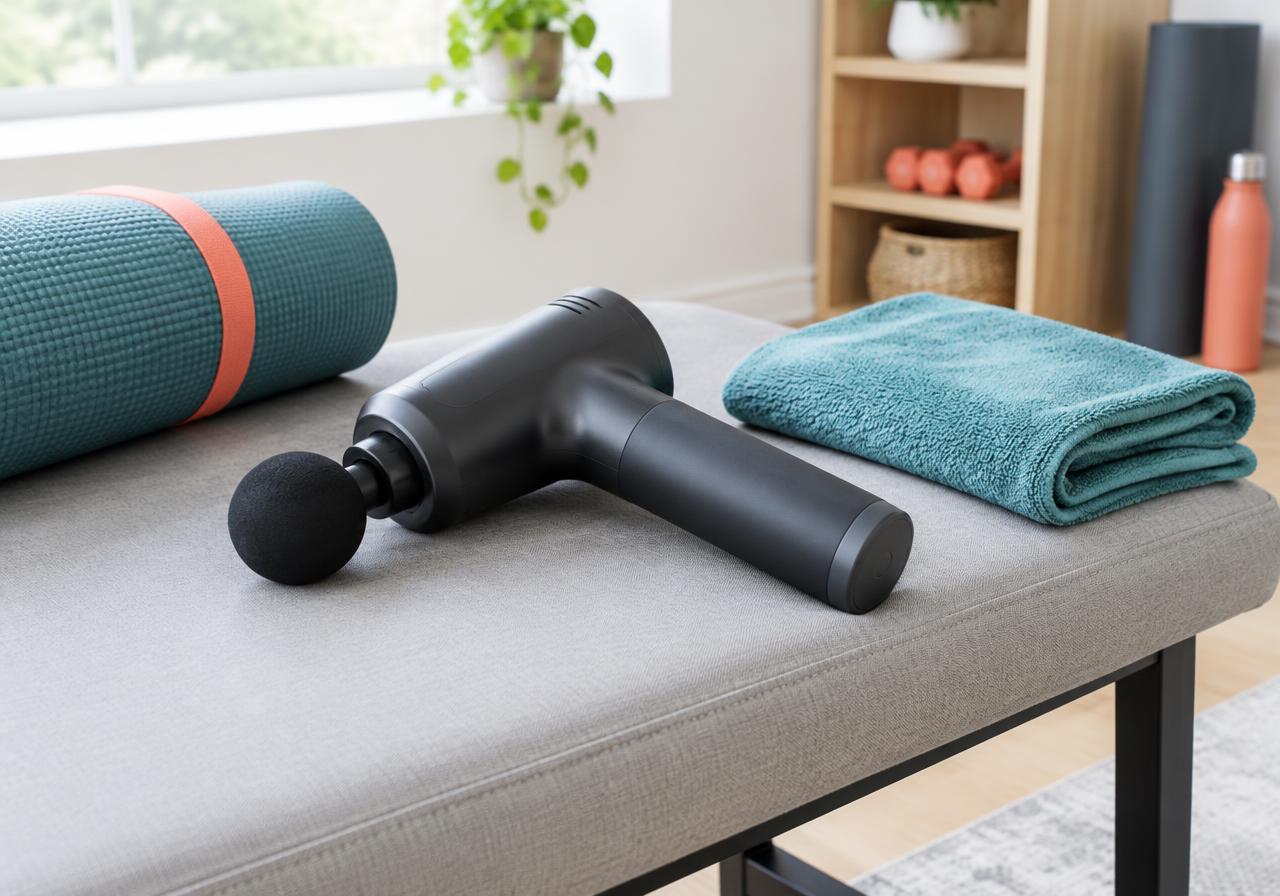
Massage & Muscle Recovery
Massage devices for muscles, legs, feet and back.
People often ask
Massage gunsLeg & foot massagersBack massagers
Discover product ideas 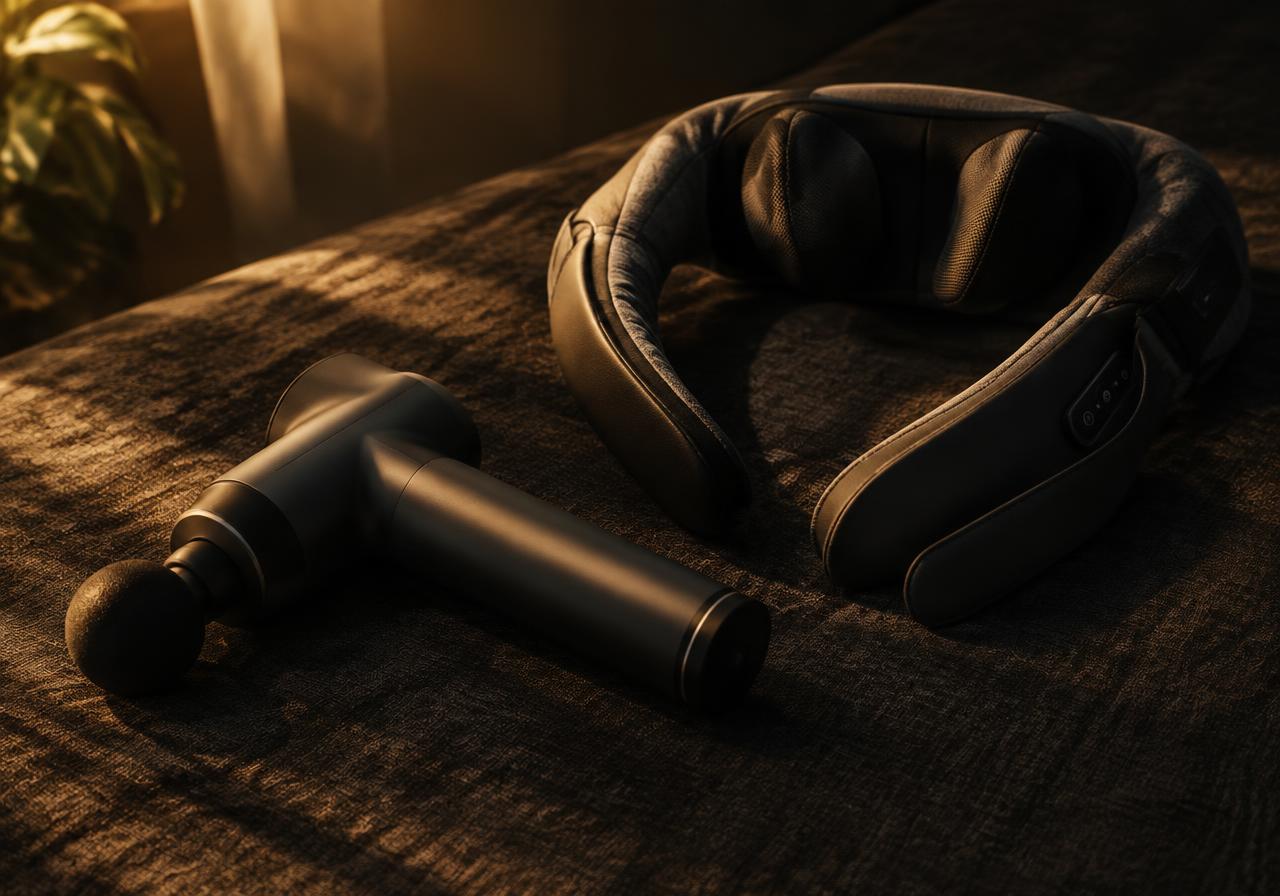
Explore technology designed around recovery, comfort and everyday wellbeing.
Massage devices for muscles, legs, feet and back.
People often ask
Devices designed for the neck, shoulders and upper back.
People often ask
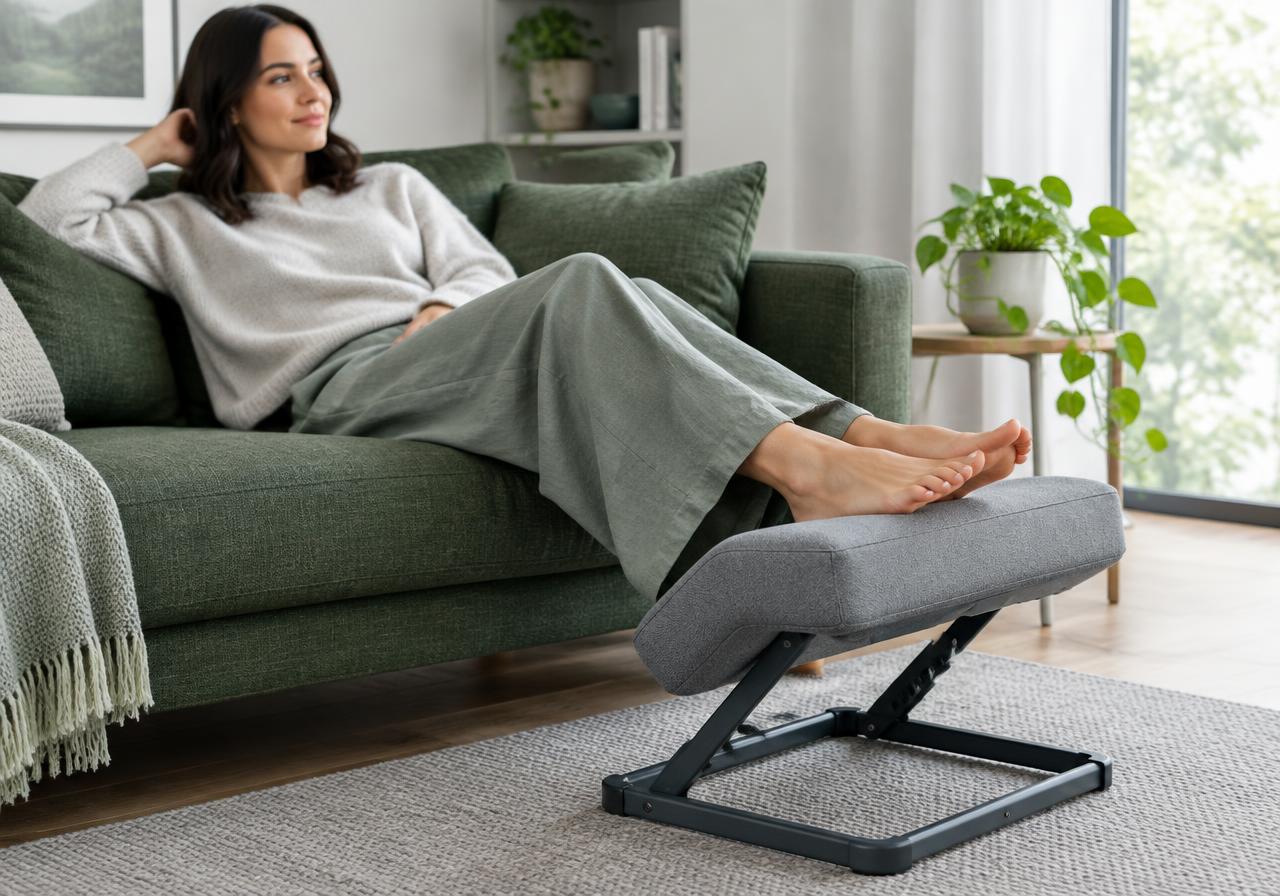
Technology people use to recover after exercise or activity.
People often ask
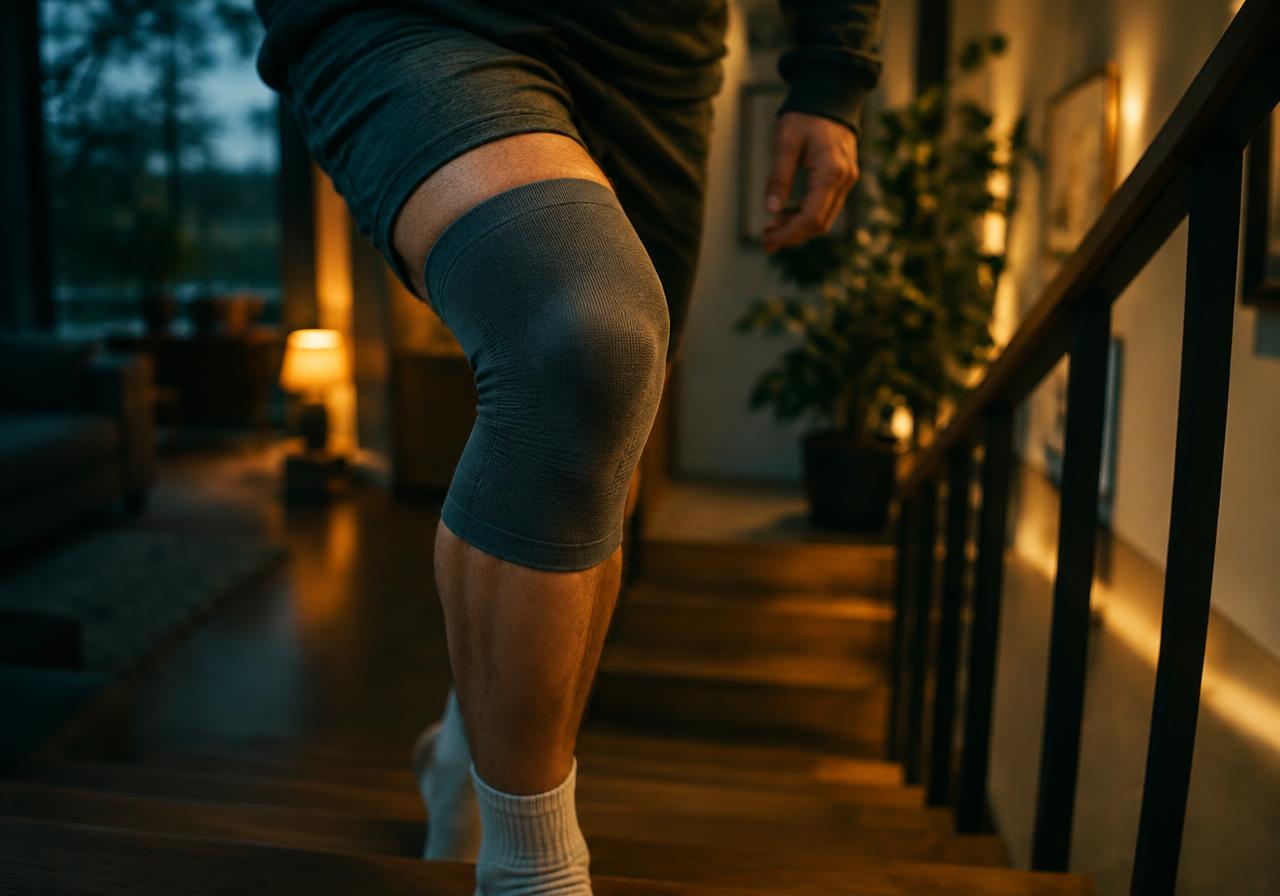
Supports and devices for knees, joints, posture and movement.
People often ask
Know your options
Massage devices use tapping, kneading, vibration or air pressure. Start with the body area you want to reach and the kind of device you can comfortably control—not the strongest setting.
Handheld tapping devices. Check weight, grip, adjustable speed and how easily you can reach the intended area.
Explore optionsSeated devices using rollers, vibration or air pressure. Check foot and calf fit, access to controls and cleaning.
Explore optionsCushions, wraps or handheld devices. Check chair fit, reach, strap adjustment and whether heat can be switched off.
Explore optionsMassage is not a diagnosis or treatment for unexplained pain. Check the maker’s precautions and ask a qualified professional before use if you have an injury, a health condition, reduced sensation or are unsure about suitability. New unexplained one-sided leg pain or swelling needs prompt assessment, not massage.
No. A specification such as speed or force does not establish better health outcomes. Look for controllable settings and instructions that fit your intended use.
Do not assume that it can. Massage and positioning devices are not substitutes for assessment of pain, swelling or circulation concerns.
Confirm the exact model, size limits, attachments, instructions, power requirements and return policy on the seller’s product page.
Practical considerations are editorial guidance, not proof of health benefits. Health context: